
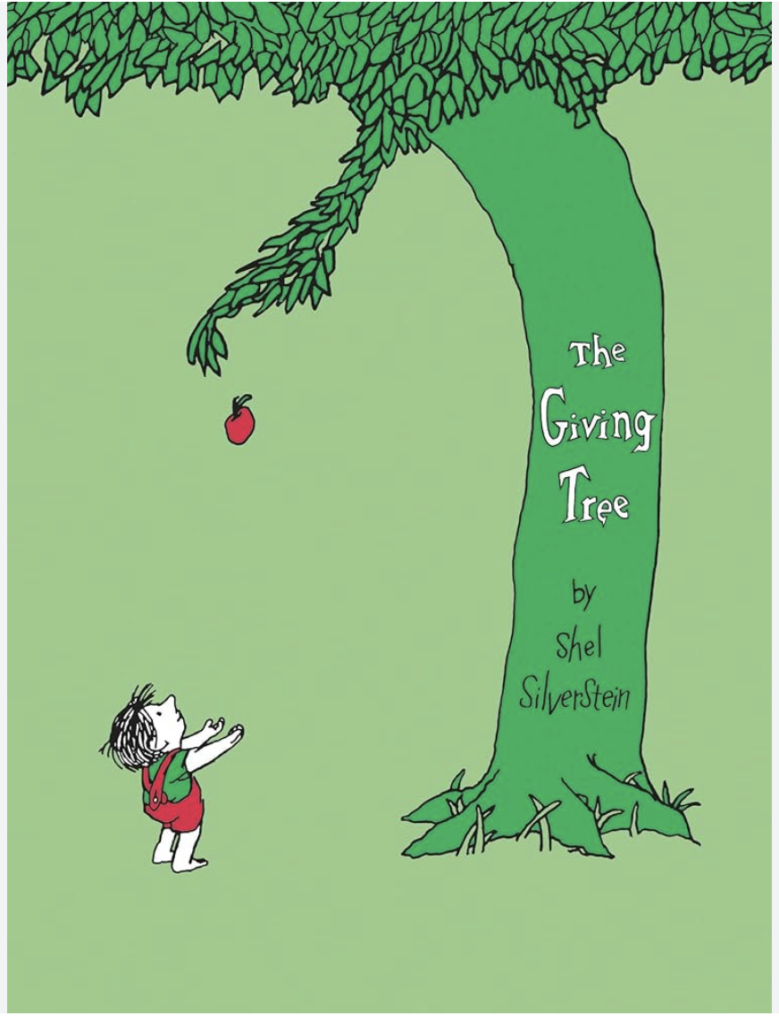
Shel Silverstein’s book, The Giving Tree, may come to mind when you think about what it is to be a mother. A tree whose steadfast love endures a lifetime and asks nothing in return. This imagery is beautiful, especially in light of the love of God, who gave His Son on our behalf while we were still sinners.
Motherhood is so many things and sacrifice, of course is one that is unavoidable.
But what else can motherhood be?
What if motherhood meant feeling more alive than we ever have? Discovering new aspects of the world, God, and ourselves through a colorful lens, reserved just for the role of “mother.”
As noble as ‘pouring out until empty’ sounds, we cannot survive starvation.
Humans were designed by the most intelligent mind to hunger for knowledge, truth, conversation, connection and so much more. Surely motherhood is a marathon of the mind and soul. When we stop growing, we lose the vitality needed to inspire our children. A “stimulated mind” isn’t a luxury; it’s the fuel for a vibrant home.
Charlotte Mason, the 19th-century British educator, believed that a mother’s intellectual life was not a luxury, but a cornerstone of a healthy home environment. She famously argued that “Education is an atmosphere,” and that atmosphere is largely determined by the “living thoughts” the parents are currently wrestling with.
How true that rings for the mother that feels desperate for a different life when her’s has become diminished to daily tasks only.
“Mary sat down attentively before the Master, absorbing every revelation he shared”
Luke 10:39
Research on the Mother Brain
Brain research connected with motherhood reveals profound changes in behavior and identity. Studies show that becoming a mother is not just a social shift but a biological remodeling that impacts everything in her life. Here’s what matters…
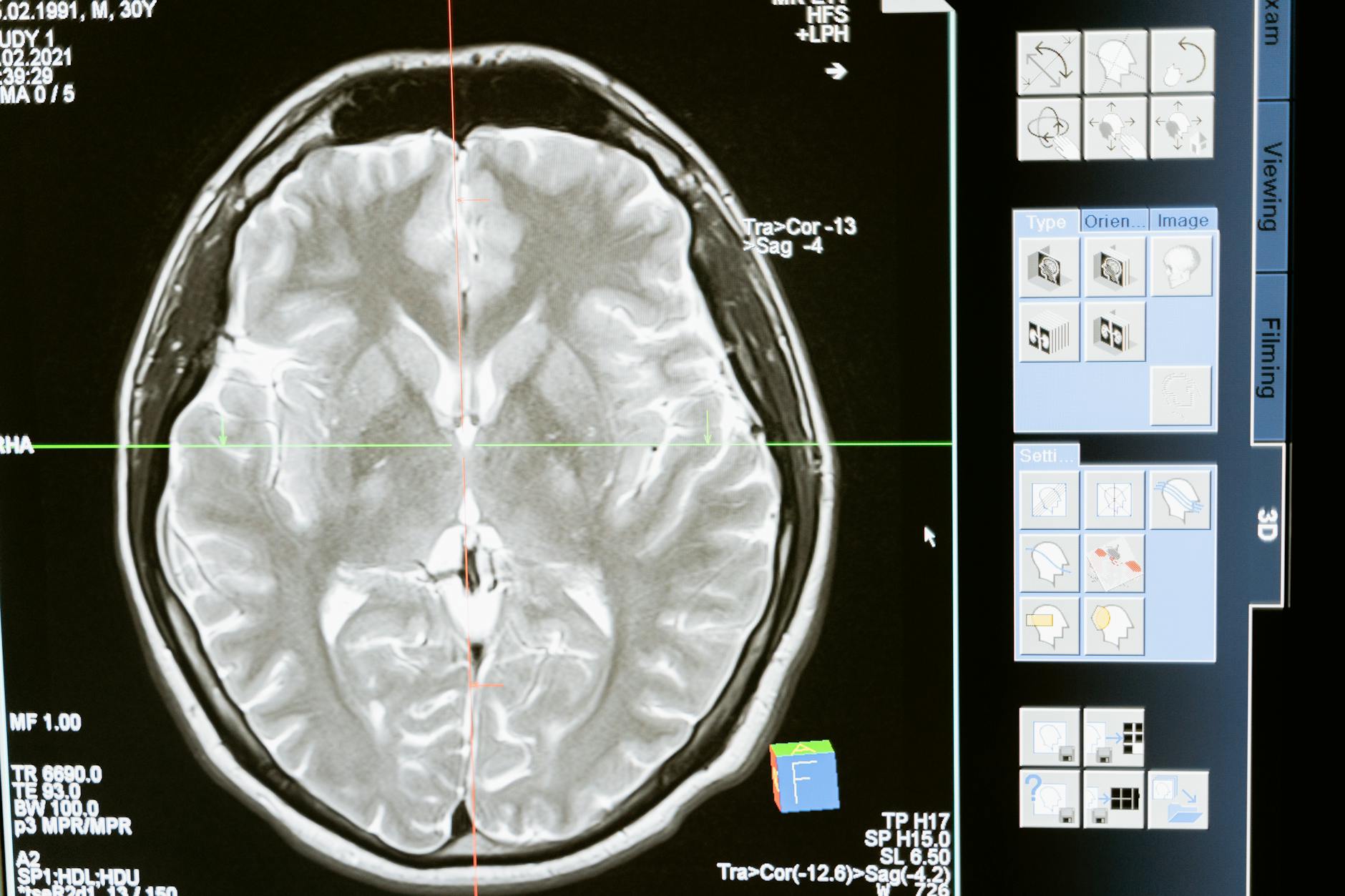
Your brain shrinks, regrows, & gets better
The idea that “mom brain” is a state of decline is quickly being debunked by science.
Groundbreaking research published in Nature Neuroscience and Scientific Reports has shown that pregnancy leads to significant reductions in gray matter volume in specific brain regions. While “volume loss” sounds negative, researchers believe this is a process of synaptic pruning—making the brain more efficient. The areas most affected are those responsible for social cognition and the ability to understand others’ perspectives.
The “pruning” in the social brain doesn’t just help with “reading” people; it enhances cognitive flexibility. Mothers often find they become accidental innovators—finding creative workarounds because the brain is physically rewired to prioritize efficiency.
This simply means your “mom brain” will provide you with new perspectives, creative ideas, and the ability to think deeper about concepts that ‘teenage you’ couldn’t relate to. It could also mean that thanks to this new rewiring, you’re more capable now at starting that business because your brain got an upgrade in efficiency.
Six Months Postpartum has been found as a milestone where “partial recovery” is most measurable. By this point, the brain has recovered roughly 3.4% to 4.9% of its volume. However, researchers emphasize that it doesn’t just go back to its “original” state; it is a restructured version of its former self.
What is most striking is the longevity of these changes. Follow-up scans have shown that these remodeling effects can persist for up to six years (and likely longer), showing us that motherhood leaves a permanent, biological signature on the brain’s architecture.
The Scientific Reports (2025) findings regarding postpartum growth support this idea fully. These studies showed that the pregnancy phase is about refinement and the postpartum phase is about expansion.
- The growth in gray matter density during the postpartum period often occurs in the ventral striatum and the amygdala—the brain’s emotional and reward centers.
- Heightened Joy: This “up-regulation” can make the brain more sensitive to hits of dopamine and oxytocin. While this is designed to bond mother and child, it also means that “small wins” and moments of beauty can trigger a more intense sense of happiness and satisfaction than they might have previously.
- The Flow State: The intense focus required in early motherhood can actually train the brain to enter “flow states” more quickly. When a mother finally gets a moment to engage in a creative hobby or a project, the brain’s new efficiency helps her dive deeper into that “zone” faster.
- Radical Empathy: The physical enhancement of the social brain allows for a “radical empathy” that can lead to more soulful and impactful creative work. You aren’t just thinking about ideas; you are feeling the human impact of them.
- Postpartum growth in the sensory cortex means many mothers experience a “sharpening” of the senses. Enhanced Perception: Colors can seem more vivid, and music can feel more resonant. This “brain change” is a direct pipeline to creative inspiration and a more mindful, present form of existing.
There is an abundance of research on the “mother brain” that begs us to stop blaming motherhood for our decline in aspirations and instead recognize it is a leg up compared to what we had before. I highly recommend taking an afternoon to dive deeper into a few of the novel discoveries that all point to a brilliant creator who knew exactly what a mother was meant to become.
Designed to enjoy life
As if Jesus saying, “I came that you may have life and life to its fullest…”, wasn’t enough, science now shows us that becoming a mother physically rewires our brains to enjoy life more severely than ever before. It would be an absolute shame to minimize this incredible opportunity to a prison sentence of chores, tears, and isolation.
Here are 7 of my favorite life- giving habits I practice that make me feel alive and happy as a homeschooling mom.
1. Good books

As mentioned, Charlotte Mason connected home education and the thought life of the home educator. This concept was later termed, “mother culture”, closely linked with her homeschooling philosophies. Her ideas ring deep in the core of women that are creative, entrepreneurial, or by nature intellectual.
“Mother Culture” suggests that a mother should always have three types of books on the go:
- A stiff book: Something challenging that requires deep thought (philosophy, theology, or complex history).
- A moderately easy book: Something informative but accessible (biography or essays).
- A novel: Something for pure recreation and the “refreshment of the soul.”
The goal was for the mother to be a “continual learner” alongside her children, rather than a static authority figure.
As you read, new ideas enter your mind. Thoughts about the world, yourself, or your children’s God given personalities might be found in the pages of a classic literature masterpiece. Challenge yourself to read more in order to feel more alive.
2. Maintaining a social life


In the 2021 MDPI study “Mums Alone,” 14 moms were studied in order to explore how social isolation during motherhood leads to a “dislocation from previous identities.” Isolation isn’t just lonely; it’s a physical and mental health risk that increases cortisol and triggers a sense of being confined.
Although we get an enviable upgrade mentally when we become mothers, we can forget what life felt like before we were consumed in our maternal instinct. Maintaining a social life will help ground you through all the changes we homeschooling moms go through.
Many modern woman find it hard to create new and meaningful friendships in this digital world. In many ways, we can learn from our children, who are fearless to ask a stranger’s name, their favorite animal, and proceed to share similar information. Maybe making new friends hasn’t changed at all since elementary school. Pray that God would send the relationships your meant to have, and do what it takes to cultivate them when He does.
3. Get ready
“Pour yourself a drink, put on some lipstick, and pull yourself together.”
Elisabeth Taylor
Beauty is an armor. It is a declaration. It is an etiquette to be traditionalized.
Charlotte Mason was surprisingly modern. To Mason, a mother who “let herself go” was failing to provide the “vitalizing atmosphere” her children needed to thrive.
Getting ready for the day affects the atmosphere you carry, which pours into every corner of your house. “Pulling yourself together” as Elisabeth Taylor puts it, will set a standard that homeschooling is not a sleepy, lazy part of the day, but rather a serious and respectable focus of life.

4. Scrap journaling
Scrap journaling is a blend of scrap booking (the easy way) and journaling. Filling an empty book with photos, magazine clippings, book quotes, special moments and aesthetic stickers will have you romanticizing your every day life. It’s like holding your personal Pinterest in your hands. I have gotten super into this and I absolutely love how creative I feel when I scrap journal.
5. Long walks
Taking long walks (45 minutes minimum) makes me so grateful. I Always have a clearer mind when I return, and the endorphins never fail. Pray, think, listen to a podcast or a 90s catwalk playlist- life is worth living!

6. Worship and cook
I have come to terms with the hard truth that for many years, which consist of days, I will be making dinner for most of them. That sad reality has transformed into a sanctified expression.
Listening to worship while I cook every single night makes me feel closer to the Lord. My emotions from whatever distraction found its way into my frame, suddenly fall off as if I”ve slipped out of a weighted vest. I move with grace and a song through my kitchen like a skilled artist, reaching for familiar tools.
The Lord is near, and I live for His presence.
7. Grooming
Taking intentional time for a grooming ritual isn’t about vanity; it’s about recalibrating your nervous system. When you engage in rhythmic movements like brushing your hair or a focused skincare routine, you’re actually stimulating the vagus nerve and triggering the release of oxytocin—the “cuddle hormone”—which naturally lowers cortisol and invites a sense of profound safety.
This shift from a “fight or flight” homeschooling pace to a “rest and digest” state allows you to feel more present and alive in your own skin. By grounding yourself through the senses, you clear out the mental noise of lesson plans and chores, honoring the body you’ve been given.
Proverbs 11:25: “A generous person will prosper; whoever refreshes others will be refreshed.”
Homeschool moms sow generously into their families and an evening grooming routine is an opportunity for the Holy Spirit to refresh you in more ways than one.

Being a homeschool mother is a high calling from heaven. Heads should turn because the very fragrance of your family intoxicates others with feelings of peace, warmth, and a sense of curiosity only God can fulfill. I am so grateful I GET to have this job and do the things that make me feel alive. I hope this post inspired you and taught you something new. Stay happy Mamas.