Inspired the the article, “Art Criticism” published by The New Path (1864)
I didn’t find this gem of an article, buried in endless shelves of the internet.
It found me.
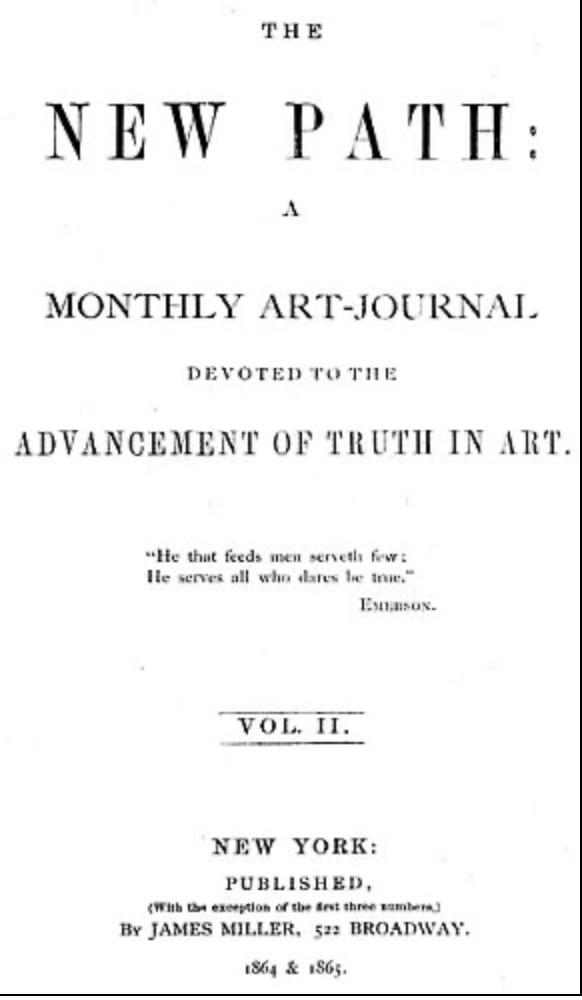
This brilliant article was published in April of 1864 in a journal called The New Path.
It was put out by a group called the Society for the Advancement of Truth in Art.
A mouthful- but essentially, these people were impassioned for art. They cared for it with a genuine and intense love. The maker committed to the book’s success no matter what it took. He said he wanted this journal to be the “central organ” of the art world.
These people had a dream and it was to protect and promote true art.
The column titled, Art Criticism, does a deep dive into what it requires to qualify as someone who can rightly judge a work of art.
It captivated me.
As I read on, I realized that there was a parable woven within its script: The world is the work and God the “critic”.
I began reading thinking about art.
I ended thinking about my mouth.
Here is what the article says a true art critic must possess.
- A soul permeated with the spirit of beauty and truth.
- He must love nature and humanity so deeply that he can enter into the “spirit of the artist’s work” — in other words, feel what the artist felt, perceive what the artist intended, and understand the purpose behind what was made.
- An intimate acquaintance with nature itself — including, the article specifies, geology and botany.
- A thorough knowledge of the entire history of art. Every school, every master, every major work ever made. Plus anatomy, physics, materials science, and the precise definition of every critical term.
- The article says knowledge of history, poetry, science, and philosophy are also of use. Basically: everything.
- He must be completely free of bias.
- No professional jealousy.
- No favoritism.
- No deference to reputation — not even to those who’ve earned theirs.
- He cannot be swayed by friendship, status, trend, or the discomfort of saying something people don’t want to hear.
- He must be an outsider to the work — not the maker of it — so he can see it clearly, without the blind spots that come from being too familiar.
And even after meeting all of that — the love, the knowledge, the freedom from every form of bias — the article still says:
“His business is to criticize not men but their work.“
Never the person. Only the piece.
The article ends by admitting that essentially no human critic actually meets this standard.
The people who spent their professional lives doing this one specific thing — still didn’t absolutely qualify because of their innate fallen nature.
This spoke of how highly these journalists valued art. They believed it was so precious, so valuable, and so important- that for anyone to offer a professional opinion, he must be a master in the truest sense of the word.
Their ultimate goal was protecting arts reputation.
Then I thought about how when it comes to people- our comment sections, podcasts, and family conversations are overstuffed with unqualified people rendering verdicts with zero hesitation.
How opposite God is from us. If only we could begin to value one another in the way these authors valued art…
God meets every single requirement on that list.
He is the author of beauty and truth.
His knowledge of every human being He has ever made is not studied from the outside. He knew us before the foundations of the earth. He formed us. He understands our intentions and every atom in our DNA strand that influences each thought.
He is the one who authored the gifts, the callings, the longings, and the wounds that produced the work within each person.
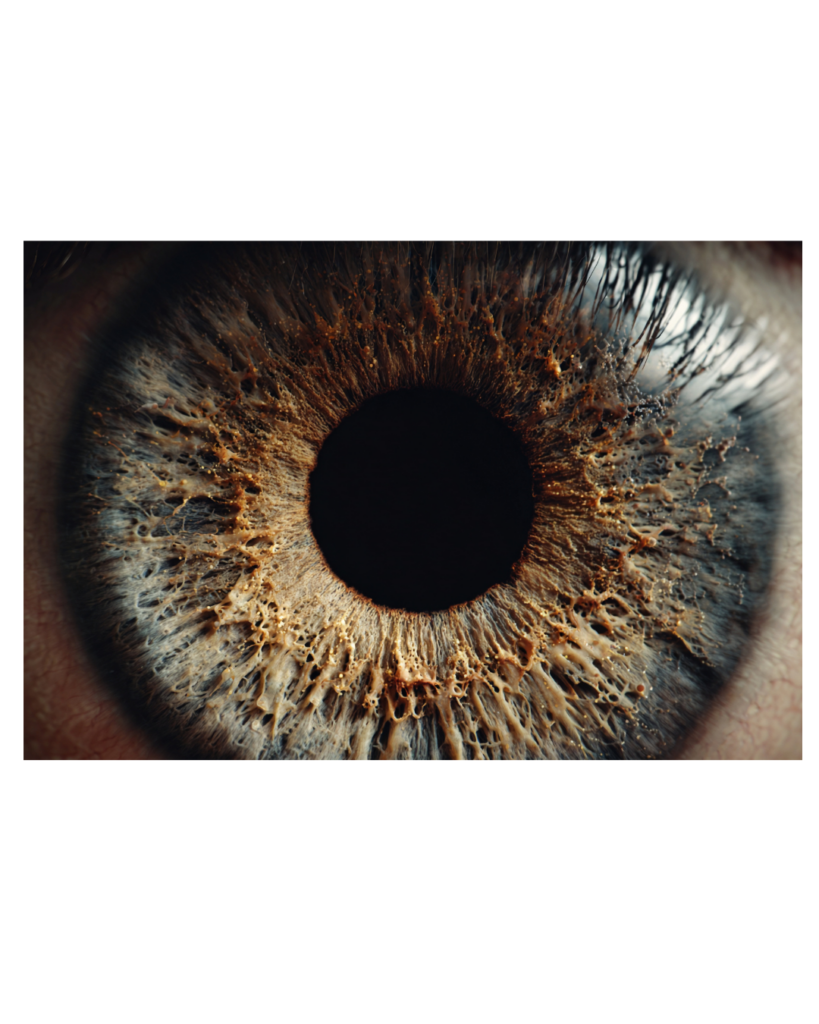
He is completely free from bias.
No jealousy. No favorites. No debts owed, no impressions to manage, no friendships to protect. He cannot be flattered and He cannot be bought.
And He has perfect knowledge of the history of every single soul. The full story. The context no one will ever see and that which we, ourselves, cannot fully see.
“For innumerable evils have encompassed me; My sins have overtaken me, so that I am not able to see. They are more numerous than the hairs of my head, And my heart has failed me.”Psalm 40:12
He sees the suffering that shaped the mind,
faith buried underneath failures,
good intentions wrapped in wrong choices,
and the complete genealogy which formed the unique individual, each one different from anyone else.
He is the only one who can look at a person’s entire life — the whole canvas — and render a judgment that is fully and completely true.
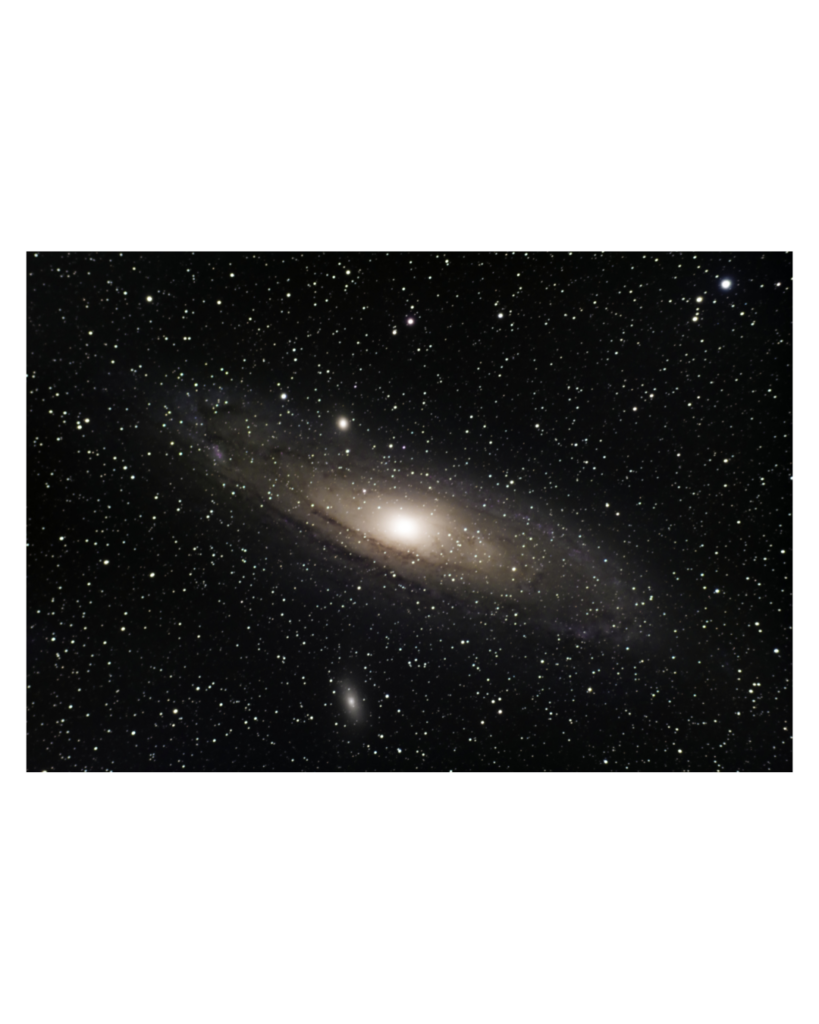
And if that is the standard — if that is what it takes to be qualified —
What are we doing?
“Do not judge, or you too will be judged. For in the same way you judge others, you will be judged, and with the measure you use, it will be measured to you.”
Matthew 7:1-2
We walk around forming opinions about people with a fraction of the information, zero of the context, and all of the bias.
We criticize them and try to smother it in disguises of “love.” Claiming, “we’ll pray for them.”
We judge God’s children — people He formed, called, and died for — with the arrogant confidence of someone who has earned the right, when the article makes plain that earning that right would take a lifetime of disciplined preparation just to have standing.
How much more should we hesitate before rendering a verdict on a person?

The impulse to criticize is natural.
The article says so itself — it is “something everybody who sees a picture so naturally indulges in.”
Natural does not mean right. Natural does not mean godly.
The natural impulse to criticize must be trained, disciplined, and submitted to the same kind of interior work the article demands from a real critic — love first, knowledge second, bias removed, intention understood, and the person never confused with their work.
Most of us skip all of that and go straight to the verdict.
And the verdict we render — the one we announce so easily about someone else — will be measured back to us by the only one qualified to judge.
That should make us pause.
That should make us choose silence more often than we do.
That should make us, as women who love God, deeply suspicious of our own confidence when we look at someone else’s life and think we know what we’re seeing.

The final, true, fully qualified verdict on every person belongs to God.
Not to us.
Not to the universe of opinions unleashed.
Not to the family gossip sessions.
God made them. God knows them. God’s business is with them.
Our business is with our own canvas.
“Who are you to judge someone else’s servant? To their own master, servants stand or fall.”
Romans 14:4
Let God be the art critic.
He is the only one who is actually qualified.
As always,
Stay happy, Mamas.